Breathable Activewear for Hot Weather: A Complete Guide

Table of Contents
- How Breathable Activewear Works in Hot Weather
- Moisture-Wicking Fabric Benefits During Exercise
- Thermoregulation and Body Temperature Control
- How to Choose Breathable Gym Clothes for Your Workouts
- Preventing Chafing in Hot Weather with the Right Fabric
- Key Fabric Characteristics That Keep You Cool
- Care and Maintenance for Long-Lasting Performance
- Frequently Asked Questions
Last Updated: September 18, 2026
How Breathable Activewear Works in Hot Weather
Breathable activewear hot weather functions through engineered fabric construction that prioritizes airflow and moisture management. When you exercise in heat, your body generates sweat as a cooling mechanism (Checking your browser). Standard fabrics trap that moisture against your skin, creating a damp layer that actually prevents evaporation and keeps you uncomfortably warm. Breathable activewear works differently, it pulls sweat away from your skin and allows it to evaporate quickly, which is how your body naturally cools itself.
The science behind this comes down to fabric structure. Breathable materials use looser weaves and synthetic fibers designed with microscopic gaps that allow air to pass through while still providing coverage and support. This airflow is critical during hot-weather workouts because it enables heat dissipation, your body releases warmth through both sweat evaporation and direct air circulation. The combination of these two cooling mechanisms is what separates breathable activewear from regular cotton clothing, which absorbs moisture and holds it against your skin.
When you're choosing activewear for summer workouts or hot climates, the breathability index of the fabric matters more than the weight. A lightweight synthetic blend will outperform a lightweight cotton shirt because the fiber structure actually moves moisture and heat away from your body. This is why technical apparel designed for fitness performance beats casual clothing, even when both feel light.
Moisture-Wicking Fabric Benefits During Exercise
Moisture-wicking technology is the active process of pulling sweat away from your skin and moving it to the outer surface of the fabric where it can evaporate. This is fundamentally different from absorption, where a fabric soaks up moisture and holds it. During intense exercise, moisture-wicking becomes the difference between staying comfortable and feeling drenched.
The benefit during extended activity is immediate and measurable. As sweat is transported away from your skin through the fabric layers, you lose the sensation of clinging, heavy clothing. This matters for performance because when you're not distracted by wet fabric sticking to your body, you can focus on your workout. Many athletes report better form and longer endurance when they're not managing the discomfort of moisture against their skin.
Moisture-wicking fabrics typically use polyester or nylon blends with spandex for stretch. These synthetic fibers are hydrophobic, they repel water, which is why they move moisture outward instead of absorbing it. Natural fibers like cotton are hydrophilic, meaning they attract and hold moisture. During a hot-weather workout, this difference compounds over time. After 20 minutes of sustained cardio, a moisture-wicking fabric keeps you relatively dry while a cotton shirt becomes progressively heavier and more uncomfortable.
The psychological benefit is real too. When you feel dry and comfortable, even if you're sweating, your perception of effort changes. You feel more capable of pushing harder. This is why professional athletes and serious fitness enthusiasts prioritize moisture-wicking apparel, it's not just comfort, it's a performance advantage.
Thermoregulation and Body Temperature Control
Thermoregulation is your body's ability to maintain a stable internal temperature despite external heat. During exercise in hot weather, your core temperature rises, and your body relies on cooling mechanisms to prevent overheating. Breathable activewear supports this process by removing barriers to heat release.
Your body cools itself through two primary mechanisms: evaporative cooling (sweat evaporation) and convective cooling (heat dissipation through air circulation). Standard clothing impedes both. Tight fabrics reduce airflow, and moisture-absorbing materials prevent sweat from evaporating efficiently. Breathable activewear optimizes both pathways. The loose weave allows air to circulate around your body, and the moisture-wicking properties ensure sweat evaporates rather than accumulating.
When you exercise in heat without proper thermoregulation support, your core temperature can climb into the danger zone. Heat exhaustion and heat stroke are real risks during intense outdoor workouts or indoor sessions in warm studios (the WHO). Breathable activewear isn't a substitute for hydration and pacing, but it's a critical tool for keeping your body's temperature regulation system functioning properly. By maintaining better heat release, you reduce the load on your cardiovascular system, which means your heart doesn't have to work as hard to cool you down.
The fabric density of your activewear directly impacts how effectively your body can thermoregulate. Tightly woven or heavy fabrics create insulation, trapping heat. Lighter, more open weaves allow heat to escape. For hot-weather workouts, this is why breathable activewear hot weather designed specifically for performance outperforms regular gym clothes.
How to Choose Breathable Gym Clothes for Your Workouts
Choosing breathable gym clothes starts with understanding the three key fabric characteristics: fiber type, weave structure, and moisture-wicking finish. Look for synthetic blends (polyester, nylon, or a polyester-spandex combination) rather than pure cotton. The spandex component provides the stretch you need for movement, while the synthetic base ensures moisture transport.
SheRoar Seamless Breathable Quick-Dry →
Check the product description for specific language about breathability. Terms like "quick-dry," "moisture-wicking," and "ventilation zones" indicate engineered fabrics designed for performance. Avoid generic descriptions like "soft" or "comfortable", these don't tell you anything about how the fabric will perform during a sweaty workout.
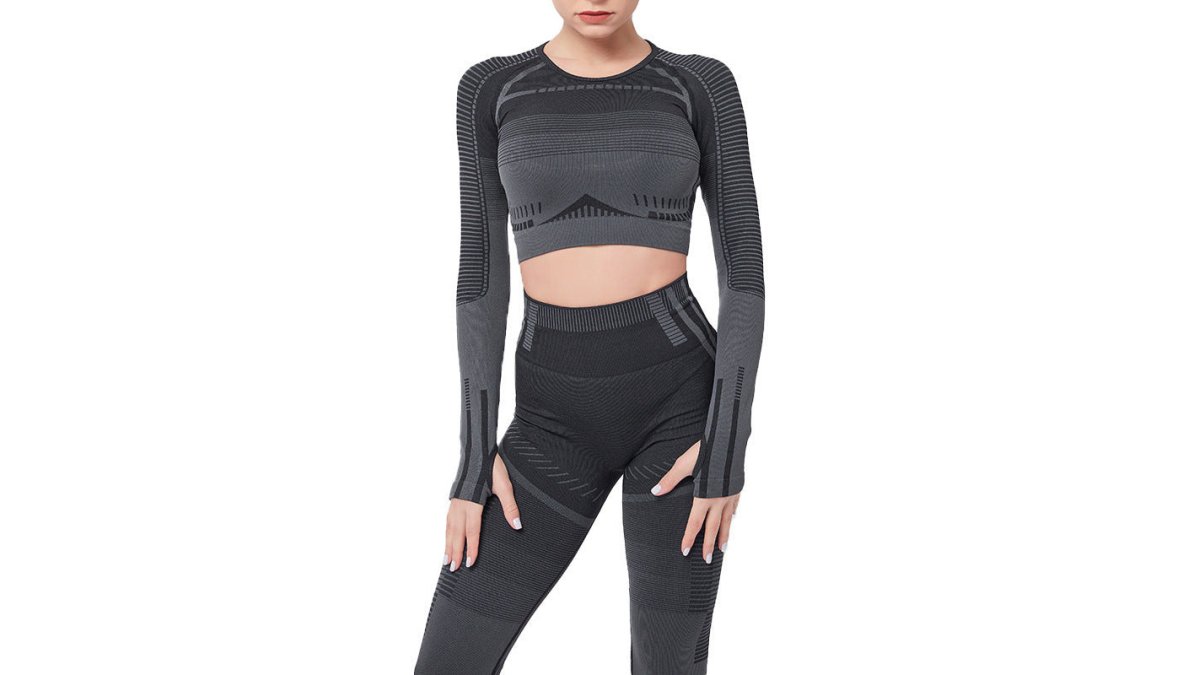
Consider the fit and seam placement. Seamless design or flat seams reduce friction points where chafing typically occurs. High-waist bands stay in place during movement, which matters for both comfort and confidence. Four-way stretch fabric moves with your body instead of restricting your range of motion. The SheRoar Seamless Breathable Quick-Dry Fitness Yoga Suit combines these features, seamless construction eliminates underarm and inner-thigh seams, while the quick-dry fabric dries fast enough between exercises to keep you comfortable through back-to-back sets.

Test the fabric weight in your hand. Breathable doesn't mean sheer or flimsy. Quality breathable activewear has enough structure to provide support and coverage without feeling heavy. Hold it up to light, you shouldn't see through it. Squeeze it after running water over it, it should dry quickly rather than staying saturated.
The color and pattern matter too. Darker colors and prints can hide sweat stains, which matters if you're wearing your activewear beyond the gym. Neutral tones like the earthy palette in the Women's Breathable Printed Sports Yoga Pants coordinate with multiple tops, making your activewear rotation more versatile.
| Fabric Characteristic | What to Look For | Why It Matters |
|---|---|---|
| Fiber blend | Polyester, nylon, or polyester-spandex | Synthetic fibers wick moisture; spandex enables stretch |
| Seam construction | Seamless or flat seams | Reduces friction and chafing during movement |
| Weave structure | Lightweight, open weave | Allows airflow and heat dissipation |
| Stretch capability | Four-way stretch | Full range of motion without restriction |
| Fit | High-waist band, close but not compressing | Stays in place and supports your core |
Preventing Chafing in Hot Weather with the Right Fabric
Chafing occurs when friction between skin and fabric (or skin and skin) creates irritation and raw patches. During hot-weather workouts, chafing risk increases because sweat reduces the friction coefficient slightly, but the extended duration and intensity of summer training means more repetitive motion. The right fabric prevents chafing through two mechanisms: reducing friction points and managing moisture.
Seamless construction is the most effective chafing prevention.
Key Fabric Characteristics That Keep You Cool
The fabric characteristics that determine how cool you'll stay are air permeability, thermal comfort, and sweat management capacity. Air permeability measures how easily air passes through the fabric, higher permeability means better airflow and heat release. Thermal comfort is the subjective feeling of temperature regulation, which depends on both the fabric properties and how well moisture is managed.
Care and Maintenance for Long-Lasting Performance
Breathable activewear requires specific care to maintain its moisture-wicking properties and structural integrity. The key is protecting the fabric's ability to move moisture and air while preventing damage that reduces breathability.
Frequently Asked Questions
What is the best breathable fabric to wear in hot weather?
Polyester-spandex blends and synthetic fibers excel at heat dissipation and moisture transport. These materials pull sweat away from your skin and dry quickly, preventing the clammy feeling that traps heat. Natural fibers like cotton absorb sweat but retain moisture, making them less ideal for intense hot-weather workouts. Look for fabrics labeled as moisture-wicking or quick-dry, which actively move sweat away from your body rather than holding it against your skin.
How does moisture-wicking fabric help during intense workouts?
Moisture-wicking fabrics use hydrophobic fibers that repel sweat and pull it toward the outer surface of the fabric, where it evaporates faster. This evaporative cooling process helps regulate your body temperature during extended activity. By preventing sweat from pooling against your skin, these fabrics reduce skin irritation, chafing, and the discomfort of sitting in damp fabric between sets. The result is better thermal comfort, improved performance, and faster recovery during hot-weather training.
Can I wear dark colors when exercising in hot and humid weather?
Yes, if the fabric itself is breathable. The fabric's airflow, ventilation zones, and quick-dry properties matter far more than color. A breathable dark-colored activewear piece will outperform a non-breathable light color because the fabric's ability to release heat and manage sweat is what keeps you cool. However, lighter colors do reflect some solar radiation, so they may feel slightly cooler in direct sunlight. Choose based on the fabric's breathability index and your personal preference, the right material trumps color.
What should I look for when choosing breathable activewear for hot weather?
Prioritize four-way stretch, seamless or minimal seam construction, and a breathable polyester-spandex blend. Check that the fabric has a high air permeability rating and moisture-wicking finish. Look for ventilation zones in high-heat areas like underarms and back panels. Ensure the fit is snug enough to prevent friction but not so tight it restricts movement or airflow. High-waist designs that stay in place during forward folds and squats eliminate the distraction of adjusting your clothes mid-workout, letting you focus on performance.