7 Best Moisture-Wicking Fabrics for Sensitive Skin

Table of Contents
- Why Moisture-Wicking Fabrics Matter for Sensitive Skin
- How Moisture-Wicking Works: Capillary Action and Evaporation
- 1. Merino Wool: Natural Thermoregulation and Skin Barrier Support
- 2. Bamboo Viscose: Hypoallergenic and Antimicrobial for Dermal Sensitivity
- 3. Organic Cotton: Breathable and Chemical-Free for Contact Dermatitis
- 4. Tencel Lyocell: Plant-Based Textiles with a Smooth Fiber Structure
- 5. Silk: Thermal Comfort and Low Friction for Sensory-Friendly Wear
- 6. Nylon: Synthetic Fiber Structure for Quick-Dry Moisture Transport
- How to Prevent Chafing with Sensitive Skin
- Caring for Moisture-Wicking Workout Clothes
- Quick Comparison: The 7 Fabrics at a Glance
- The Bottom Line
- Frequently Asked Questions
Last Updated: September 16, 2026
Why Moisture-Wicking Fabrics Matter for Sensitive Skin
If you have reactive skin, the wrong fabric can turn a good workout into a bad week. This guide from SheRoar by Black Lion breaks down the 7 best moisture-wicking fabrics for sensitive skin, ranked by how they handle sweat, friction, and irritation together.
How Moisture-Wicking Works: Capillary Action and Evaporation
Two physical processes do the work: capillary action and evaporation rate. Capillary action moves liquid through the gaps between fibers, pulling sweat off your skin and into the fabric structure. Evaporation rate then determines how fast that moisture leaves the fabric entirely.
1. Merino Wool: Natural Thermoregulation and Skin Barrier Support
Merino wool is the strongest natural option for sensitive skin because its fine fibers bend rather than prick, and it regulates temperature without trapping heat. Unlike coarse wool, merino's fiber structure is thin enough to sit against the skin without the scratch that triggers irritation.
2. Bamboo Viscose: Hypoallergenic and Antimicrobial for Dermal Sensitivity
Bamboo viscose is soft, hypoallergenic, and naturally antimicrobial, which reduces the odor and bacterial buildup that aggravate reactive skin. Its smooth fiber structure creates less friction than cotton, making it a strong pick for sensory-friendly wear.
3. Organic Cotton: Breathable and Chemical-Free for Contact Dermatitis
Organic cotton wins on one thing above all: it skips the chemical finishing and dyes that cause many contact dermatitis reactions. For skin that reacts to textile finishes, organic cotton is often the safest baseline.
4. Tencel Lyocell: Plant-Based Textiles with a Smooth Fiber Structure
Tencel lyocell is a plant-based textile with an exceptionally smooth fiber surface, which means less friction against the skin than almost any natural option. It manages moisture better than cotton and feels cool against reactive skin.
5. Silk: Thermal Comfort and Low Friction for Sensory-Friendly Wear
Silk offers thermal comfort and the lowest friction of any fabric here, which makes it a favorite for sensory-friendly base layers. It regulates temperature well and feels weightless.
6. Nylon: Synthetic Fiber Structure for Quick-Dry Moisture Transport
Nylon is the workhorse of performance activewear. Its synthetic fiber structure transports moisture fast and dries quicker than any natural option, which keeps sweat off sensitive skin during high-intensity sessions.
How to Prevent Chafing with Sensitive Skin
Preventing chafing with sensitive skin comes down to four levers: fabric choice, fit, skin prep, and what's actually in the fabric. Get all four right and most irritation disappears. Get three right and one wrong, usually the last one, and you'll still flare.

The angle most fabric lists skip: what's in the fabric
Even a "natural" or "hypoallergenic" fabric can trigger a reaction if it's been finished with the wrong chemicals. Two categories are worth knowing:
- Formaldehyde-based finishes. Used on some wrinkle-resistant and anti-shrink cottons, these are a well-documented contact allergen. If a cotton shirt smells faintly chemical out of the bag, wash it twice before wearing.
- PFAS and fluoropolymer DWR treatments. Common on water-repellent outerwear and some performance knits. They're not a skin-contact allergen for most people, but they can aggravate reactive skin and they don't belong against the body during sweaty activity. Look for "PFC-free" or "PFAS-free" DWR if you're layering.
- Azo dyes and disperse dyes. Disperse dyes, common on polyester, are a known cause of textile contact dermatitis, especially in darker colors and saturated reds. If you react to one synthetic top but not another, dye is often the difference, not the fiber.
The other angle: sensory texture matters as much as sweat
- Test the hand-feel damp, not dry. Run a drop of water on the fabric and rub it between your fingers. If it turns clammy or squeaky, it will feel worse once you sweat.
- Prefer smooth, low-nap surfaces. Tencel lyocell, silk, and fine-gauge nylon have the smoothest hand-feel. Brushed fleece interiors, terry loops, and textured knits feel softer in the store but trap sweat and create drag once damp.
Caring for Moisture-Wicking Workout Clothes
Caring for moisture-wicking workout clothes is simpler than most people think, but the wrong habits kill performance fast, and for sensitive skin, they also leave residue against your body that can trigger irritation. Heat, softener, and detergent buildup are the three enemies.
The universal rules
- Machine wash cold on a gentle cycle. Heat breaks down elastane and shrinks natural fibers.
- Skip fabric softener and dryer sheets entirely. They coat fibers with a waxy film that blocks capillary action, your gear stops wicking and starts holding sweat against your skin.
- Use a fragrance-free, dye-free detergent. "Free and clear" formulas are the safest baseline for reactive skin. Standard detergents leave optical brighteners and perfume on the fabric that sit against your skin for hours.
- Tumble dry low or air dry. High heat is the fastest way to destroy elasticity and shrink merino or bamboo.
- Wash synthetics inside-out. This protects the outer surface from pilling and keeps the smooth skin-side face intact.
- Avoid bleach and high-heat drying. Both break down elastic fibers and can leave irritating residue.
Fabric-specific care (this is where most guides stop short)
Different fibers fail in different ways, and the care that's right for one can ruin another:
- Merino wool: Wash on a wool cycle or by hand in cool water with a pH-neutral wool wash. Never wring it out, press water out and lay flat to dry. Skip the dryer entirely; heat felts the fibers and turns soft merino scratchy, which defeats the whole reason you bought it for sensitive skin.
- Bamboo viscose and Tencel lyocell: These are cellulosic fibers and lose strength when wet. Use a mesh laundry bag, wash on gentle, and air dry. High heat and heavy agitation cause the pilling that turns a smooth fabric rough against the skin.
- Organic cotton: Washable at warmer temperatures than the others, but still skip bleach and softener. If it's a chemically finished cotton, wash twice before first wear to rinse off residual finishing agents.
- Silk: Hand wash or use a delicate cycle in cool water with a silk-specific detergent. Never wring. Air dry away from direct sun. Silk is the most fragile fabric in this list, treat it like a base layer, not a training shirt.
- Nylon and polyester-spandex: The most durable of the group. Wash cold, tumble low, and avoid high heat that degrades elastane. These are the fabrics you can rotate hardest without babying.
The residue problem nobody talks about
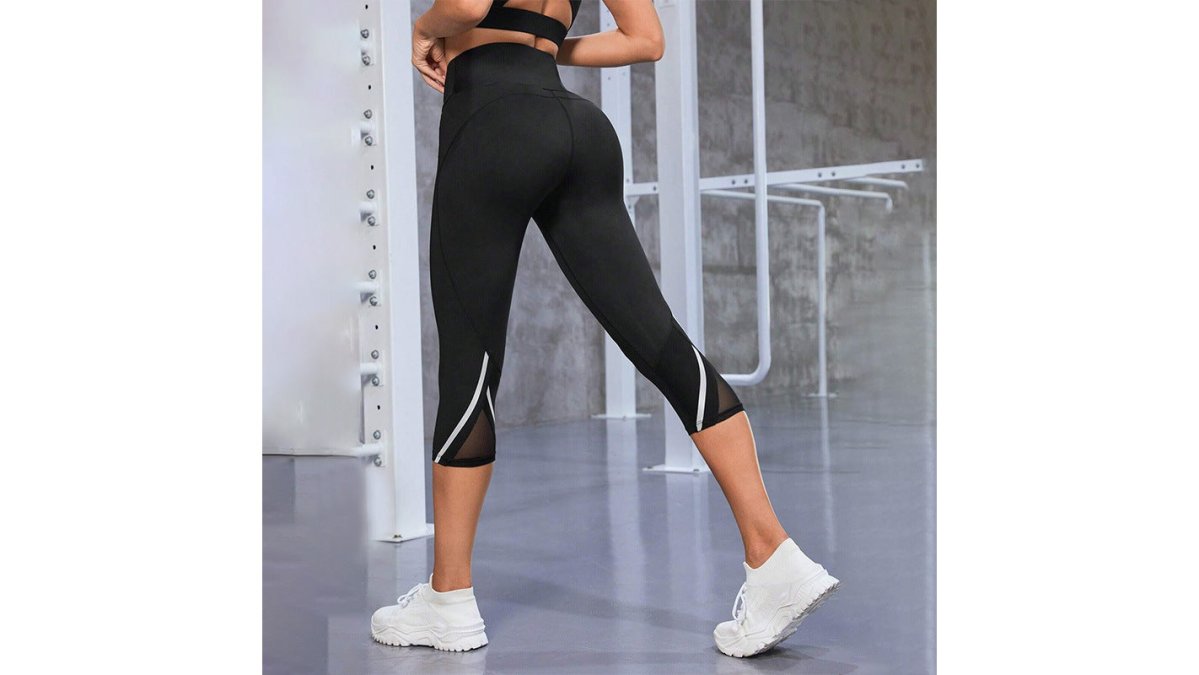
The 3-Pack Women's High Waist Moisture-Wicking Yoga Leggings is built to hold shape and elasticity through repeated washing without pilling, which makes it a practical rotation staple for anyone who sweats through gear faster than they can launder it.

Quick Comparison: The 7 Fabrics at a Glance
| Fabric | Best For | Dries Fast? | Sensitive-Skin Friendly? |
|---|---|---|---|
| Merino wool | Cool-weather training | Moderate | Yes |
| Bamboo viscose | Low-sweat, everyday | Slow | Yes |
| Organic cotton | Contact dermatitis | Slow | Yes |
| Tencel lyocell | Smooth, low-friction wear | Moderate | Yes |
| Silk | Base layers, sensory wear | Slow | Yes |
| Nylon | High-sweat training | Fast | Yes |
| Polyester | Compression, gym work | Fast | Yes |
The Bottom Line
No single fabric wins every category. Merino and silk handle temperature and friction; nylon and polyester-spandex handle sweat. For sensitive skin, the winning move is matching the fabric to the sweat level of the activity, not chasing one "best" material.
Frequently Asked Questions
What fabric is most moisture-wicking for sensitive skin?
Merino wool and bamboo viscose are top choices. Merino wool wicks moisture through its fiber structure while remaining soft and breathable, and it naturally regulates temperature. Bamboo viscose is hypoallergenic and antimicrobial, making it gentle on sensitive skin. Both fabrics dry quickly and reduce skin irritation compared to synthetic options that may trap sweat.
Can moisture-wicking fabrics cause skin irritation?
Yes, some synthetic moisture-wicking fabrics can cause irritation due to chemical finishes, dyes, or rough texture. Look for hypoallergenic options like organic cotton, bamboo viscose, or merino wool. Avoid fabrics with harsh textile finishes, and always wash new workout clothes before wearing them to remove any residual chemicals from manufacturing.
How do I prevent chafing with sensitive skin during workouts?
Choose seamless or flat-seam moisture-wicking fabrics to reduce friction. Apply an anti-chafe balm to areas prone to rubbing, and wear moisture-wicking fabrics that keep skin dry. Avoid cotton, which holds sweat and increases friction. After workouts, rinse off sweat promptly and moisturize to support your skin barrier.
How should I care for moisture-wicking workout clothes?
Machine wash cold with like colors and avoid fabric softeners, which clog the fabric's moisture-wicking properties. Tumble dry low or hang dry. Do not use bleach or iron. Following these steps maintains breathability, moisture transport, and antimicrobial properties, extending the life of your activewear.
Is bamboo fabric good for sensitive skin?
Yes, bamboo viscose is excellent for sensitive skin. It is naturally hypoallergenic, antimicrobial, and breathable. Its smooth fiber structure reduces friction, and it wicks moisture away from the skin, helping prevent irritation and contact dermatitis. Bamboo viscose is also thermoregulating, keeping you comfortable in various climates.
Sensitive skin shouldn't mean settling for gear that irritates or underperforms. SheRoar by Black Lion builds moisture-wicking activewear designed to move from hard training to daily wear, with quick-dry nylon pieces, seamless knit tops, and hip-contouring leggings that keep friction low and comfort high. Explore the collection and dress the woman you are becoming. Get started with SheRoar by Black Lion and train without the itch.