How to Wash Everyday Shapewear to Last Longer

Table of Contents
- Why Everyday Shapewear Needs Its Own Care Routine
- How to Hand-Wash Shapewear Without Damaging Elasticity
- How to Machine-Wash Shapewear on a Gentle Cycle
- How Often to Wash Shapewear for Hygiene and Longevity
- How to Dry Shapewear Without Stretching or Heat Damage
- Care by Fabric: Matching Your Wash Method to the Label
- Stains, Odor, and Signs Your Shapewear Is Wearing Out
- Conclusion: Make Every Wash Count
- Frequently Asked Questions
Last Updated: October 6, 2026
Why Everyday Shapewear Needs Its Own Care Routine
Learning how to wash everyday shapewear to last longer comes down to one thing: heat and harsh chemicals destroy stretch. Wash in cool water, skip the dryer, and your shaping garment keeps its compression for years instead of months.
At SheRoar by Black Lion, we build shapewear for daily wear, not special occasions. That changes the math on care. A bodysuit worn twice a week gets washed far more often than a dressy piece, so every wash either protects the fabric or slowly kills it.

Here is the problem most people miss. Shapewear is not ordinary underwear. It is a stretch fabric engineered to compress, and compression comes from elastane or spandex fibers woven into the knit. Those fibers break down with heat.
The good news: a simple routine protects your investment. Below, we break down hand washing, machine washing, drying, and how to spot the signs your shapewear is wearing out.
How to Hand-Wash Shapewear Without Damaging Elasticity
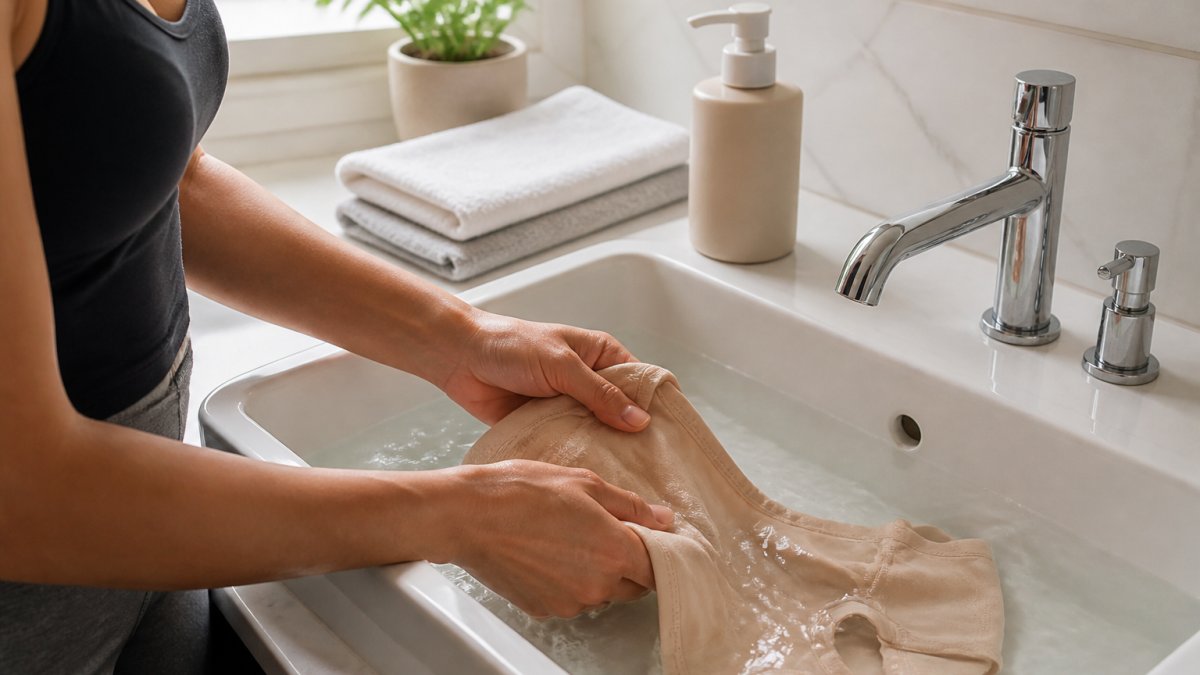
Hand washing is the safest method for any shaping garment, especially high-compression pieces and anything with hooks, zippers, or lace trim. It takes five minutes and adds months to the life of the fabric.
Step-by-Step Hand-Wash Routine
- Fill a clean sink or basin with cool water. Lukewarm at most. Hot water is the enemy here.
- Add a small amount of mild detergent. A capful is plenty. Skip bleach and fabric softener entirely.
- Submerge the garment and gently squeeze. Work the soapy water through the fabric with your hands. Do not scrub or wring.
- Soak for 10 to 15 minutes. This loosens sweat, oils, and body lotion without agitation.
- Rinse in cool water until the water runs clear and no soap remains.
- Press out excess water. Lay the garment flat on a clean towel, roll the towel up, and press down. Never twist or wring.
- Lay flat to dry away from direct heat or sunlight.
That is the whole routine. The key is patience over force. Stretch fabric responds to gentle handling.
How to Machine-Wash Shapewear on a Gentle Cycle
Machine washing is fine for everyday shapewear when the care label allows it. The trick is controlling three things: water temperature, cycle speed, and what the garment touches in the drum.

Settings, Detergent, and Laundry Bag Tips
Set your machine to cold water and the most delicate cycle available. If your machine has a "hand wash" or "gentle" setting, use it. Spin speed should be low.
Always place shapewear inside a mesh laundry bag. This keeps straps from tangling, prevents hooks from snagging other clothes, and shields the fabric from the drum's friction.
| Setting | What to Choose | Why It Matters |
|---|---|---|
| Water temperature | Cold | Protects elastane from heat breakdown |
| Cycle | Delicate or hand wash | Reduces friction and stretching |
| Spin speed | Low | Prevents distortion of the knit |
| Detergent | Mild, dye-free | Harsh formulas strip fibers |
| Laundry bag | Mesh, zippered | Stops snags and tangles |
| Bleach and softener | Skip both | Both damage stretch fabric |
Wash shapewear with similar lightweight items. Heavy towels or denim in the same load beat against delicate fabric and stretch it out of shape.
How Often to Wash Shapewear for Hygiene and Longevity
Wash everyday shapewear after every one to two wears. It sits directly against your skin, so it collects sweat, body oils, and bacteria faster than outerwear.
Here is the balance. Washing too rarely causes odor and fabric breakdown from trapped oils. Washing too often wears the fabric out faster through repeated agitation. For most people, one wash per wear is right for bodysuits and shaping shorts worn under clothing all day.
- Worn all day under clothes: wash after every wear
- Worn for a few hours: wash after one or two wears
- Worn for a workout: wash immediately, no exceptions
- Rotating several pieces: you can stretch each one further between washes
Owning three or four pieces and rotating them is the smartest move. Each garment gets less wear, less washing, and lasts longer overall.
How to Dry Shapewear Without Stretching or Heat Damage
Air drying is the only method we recommend for any shaping garment. Heat is what kills elasticity, and a dryer is the most common source of it.
Lay shapewear flat on a clean towel or a drying rack. Smooth out any wrinkles with your hands. Keep it away from radiators, direct sun, and anything else that generates heat.
If you must use a dryer in a pinch, choose the lowest heat setting and remove the garment while it is still slightly damp. Even then, expect faster wear over time.
Care by Fabric: Matching Your Wash Method to the Label
The care label is your starting point, but fabric composition tells the fuller story. Different blends need different handling, and understanding why helps you make smart calls when a label is missing or vague.
Women's Fajas Colombianas Postpartum Shapewear - Full Body Shaper & Butt Lifter →
| Fabric | Wash Method | Water Temp | Drying | Why It Matters |
|---|---|---|---|---|
| Nylon and elastane blend | Hand wash preferred | Cold | Lay flat | Nylon resists wrinkles and holds dye well, but elastane is the fragile partner. Heat and agitation break elastane's stretch, so treat the blend as gently as the most delicate fiber. |
| Polyester and spandex | Machine wash in bag | Cold | Lay flat | Polyester is durable and quick-drying, while spandex provides the stretch. A mesh bag protects spandex from friction, and cold water keeps polyester from releasing oils that trap odor. |
| Cotton blend | Machine wash gentle | Cool | Lay flat or low heat | Cotton breathes and feels soft, but it absorbs water and sweat, so it needs thorough rinsing. Cotton also shrinks with heat, which can distort the fit of the shaping panels. |
| Lace-trim pieces | Hand wash only | Cold | Lay flat | Lace is delicate and prone to snags. Hand washing prevents the trim from catching on zippers, hooks, or the drum, and laying flat keeps the lace from stretching out of shape. |
A common pattern is that the more elastane or spandex a garment contains, the more heat-sensitive it becomes. High-compression pieces often use higher percentages of these fibers, which is why they demand the gentlest care.
If a label says dry clean only, follow it. Most everyday shapewear does not need dry cleaning, and the chemicals used in dry cleaning can be harsh on stretch fibers. When the label is missing, default to hand washing in cold water and laying flat to dry. That approach is safe for nearly every fabric blend used in shapewear.
Stains, Odor, and Signs Your Shapewear Is Wearing Out
Everyday shapewear faces sweat, body oils, lotions, and occasional stains. How you handle these problems determines whether the garment lasts months or years.
Stain and Odor Care That Protects Stretch Fibers
Treat stains fast. Rinse the spot with cool water as soon as you notice it, then work in a tiny amount of mild detergent with your fingers. Let it sit for 10 minutes before washing normally. Never rub hard, since friction spreads the stain and damages the knit.
For odor, a 15-minute soak in cool water with a spoonful of baking soda neutralizes smells without harsh chemicals. Skip vinegar on elastane, since acid can weaken the fibers over time. If odor persists after washing, the issue may be bacteria trapped in the fabric, not just surface smell. In that case, soak the garment in cool water with a small amount of mild detergent for 30 minutes, then rinse thoroughly and lay flat to dry in a well-ventilated area.
How to Attempt Shape Recovery
If your shapewear feels stretched or loose, you can sometimes restore some compression with careful heat-free handling. Soak the garment in cool water for 10 minutes, then gently press out excess water and lay it flat to dry on a towel. As it dries, smooth the fabric with your hands to encourage the fibers to return to their original position. Avoid stretching or hanging the garment while wet, as this can cause permanent distortion.
A common pattern is that garments with higher elastane content recover better than those with mostly cotton or polyester. However, once the elastic fibers themselves have broken down, no amount of care will bring them back.
Signs Your Shapewear Is Wearing Out
Watch for these signs that your shapewear is nearing the end:
- Loss of compression. The garment no longer smooths or shapes like it used to.
- Baggy or stretched areas. The seat, waist, or straps have lost their snap.
- Rolling waistbands. A waistband that will not stay put means the elastic is gone.
- Visible thinning or pilling. The fabric is breaking down at friction points.
- Persistent odor that returns right after washing.
- Seams that pucker or pull. Stretched seams indicate the knit has lost its structure.
When two or more of these show up, it is time to replace the piece. No wash routine can bring dead elastic back. But by catching the early signs, you can rotate the garment out of heavy use and extend its life for lighter occasions.
Conclusion: Make Every Wash Count
Shapewear that lasts is shapewear you care for with intention. Cool water, mild detergent, a mesh bag, and air drying cover 90% of the job. The rest is consistency.
When it is time to refresh your rotation, SheRoar by Black Lion designs shapewear built for daily wear. Our High Waist Shapewear Bodysuit offers tummy control and a butt-lift fit in sizes S through 6XL, and our Strapless Seamless Firm-Control Shaping Bodysuit gives you a wire-free, line-free foundation for any neckline. Both hold their shape through repeated washing when you follow the routine above.

Explore the full SheRoar by Black Lion collection and dress the woman you are becoming.
Frequently Asked Questions
Can you machine-wash everyday shapewear?
Yes, most everyday shapewear can go in a machine if you take precautions. Use a mesh laundry bag, choose a gentle or delicate cycle, and set the water temperature to cold. Skip the spin cycle if your machine allows it, since high-speed spinning stretches compression fabric. Always check the care label first, because pieces with hook-and-eye closures or firm-control panels may be better suited to hand-washing. When in doubt, hand-washing is the safer choice for preserving elasticity.
How often should you wash shapewear?
Wash shapewear after every one to two wears. Because it sits directly against your skin and compresses the body, it collects sweat, oils, and bacteria faster than a regular t-shirt. If you wore it for a workout or all-day wear, wash it after a single use. Washing frequently with a gentle method is far better for the fabric than letting odor and oils build up, which can break down elastic fibers over time.
What detergent is best for washing shapewear?
Use a mild, pH-neutral detergent free of bleach, fabric softener, and harsh enzymes. Fabric softener leaves a coating on stretch fibers that reduces their ability to snap back, so it shortens the life of your shapewear. A small amount of gentle liquid detergent is enough. For hand-washing, a capful in cool water works well. For machine-washing, use the delicate setting and half the normal detergent dose to avoid residue buildup.
Can you put shapewear in the dryer?
No. Heat is the single biggest threat to shapewear. Dryer heat breaks down elastane and spandex fibers, causing loss of elasticity and a looser fit over time. Always air dry your shapewear by laying it flat on a clean towel or hanging it on a padded hanger away from direct sunlight. If you must speed up drying, roll the garment in a towel to press out excess water, then lay it flat to finish drying.