Why Wear Compression Gear for Weightlifting?

Table of Contents
- How Compression Gear Works During a Lift
- Benefits of Compression Shirts for Lifting
- Compression Gear for Muscle Recovery
- Does Compression Gear Prevent DOMS?
- Fabric, Fit, and Sizing: What Actually Matters
- When Compression Gear Falls Short
- Conclusion
- Frequently Asked Questions
Last Updated: September 26, 2026
How Compression Gear Works During a Lift
Compression gear is engineered knitwear that applies graduated pressure to the muscles and joints it covers. That pressure is the entire mechanism: it holds tissue in place, supports venous return, and reduces the muscle oscillation that happens every time a heavy bar changes direction.
At SheRoar by Black Lion, we build compression into the pieces women actually lift in, so the support is there before the first warm-up set.
The physics are simple. When you squat, the quadriceps and glutes fire, shorten, and lengthen under load. Unsupported, that tissue vibrates. The vibration is wasted force and micro-trauma. A compression layer wraps the muscle group and dampens the movement, which is why lifters describe a well-fitted tight as feeling "held" rather than squeezed.
The American College of Sports Medicine position stands on compression garments describe this as external pressure applied to reduce muscle oscillation and improve proprioception. Proprioception matters more than most lifters realize: it is your body's sense of where a joint is in space, and better feedback usually means cleaner reps.
Compression gear does not add strength. It removes interference.
Benefits of Compression Shirts for Lifting
A compression shirt's main job is shoulder and torso stability under a bar. The fabric pulls the scapulae into a supported position and keeps the upper back from rounding on heavy pulls. That matters most on bench press, overhead press, rows, and any movement where the shoulder girdle has to stay set while the arms move.
Upper-Body Support and Shoulder Stability
Bench press, overhead press, and rows all depend on a stable shoulder girdle. A compression top gives constant, low-level feedback that reminds you to keep the shoulder blades set. Lifters often report that this alone improves their setup.
The mechanism is straightforward: the shirt applies even, low-level tension across the upper back and shoulders. That tension does not lock the joint, but it gives your nervous system a clearer reference point for where the shoulder blades are. Better feedback usually means cleaner reps, especially on the last few sets when fatigue starts to blur positions.
What to Look for in a Lifting Top
Look for four-way stretch, flatlock seams, and a hem that stays put when you raise your arms. Seams that rub under a barbell are the fastest way to ruin a session. A good lifting top should also manage sweat without becoming heavy or cold between sets.
| Feature | Why It Matters | What to Avoid |
|---|---|---|
| Four-way stretch | Moves with the shoulder without pulling | Stiff single-direction knit |
| Flatlock seams | No chafing under bar contact | Raised overlock seams |
| Grippy hem | Stays down during overhead work | Loose, rolling waistband |
| Moisture-wicking knit | Manages sweat during high-volume sets | Cotton blends that hold water |
| Moderate compression | Supports without restricting breathing | Garments that feel like a tourniquet |
Compression Tops vs. Loose Tops
A loose cotton T-shirt does not compress, does not wick, and shifts under a bar. A compression top stays in contact with the skin, moves with the shoulder, and gives consistent feedback. The trade-off is that a compression top is less forgiving if the fit is wrong. Too tight and it restricts breathing; too loose and it does nothing.
For lower-body sessions, the same logic applies to leggings.
A Note on Proprioception and Confidence
Most articles focus on blood flow and recovery. A less-discussed benefit is proprioceptive: the shirt gives you a physical cue for scapular position, which can make your setup more repeatable. Some lifters also report a confidence boost from feeling "held" under a heavy bar. That psychological effect is real even when the physiological one is modest, and it is one reason compression tops remain popular in strength sports.
Compression Gear for Muscle Recovery
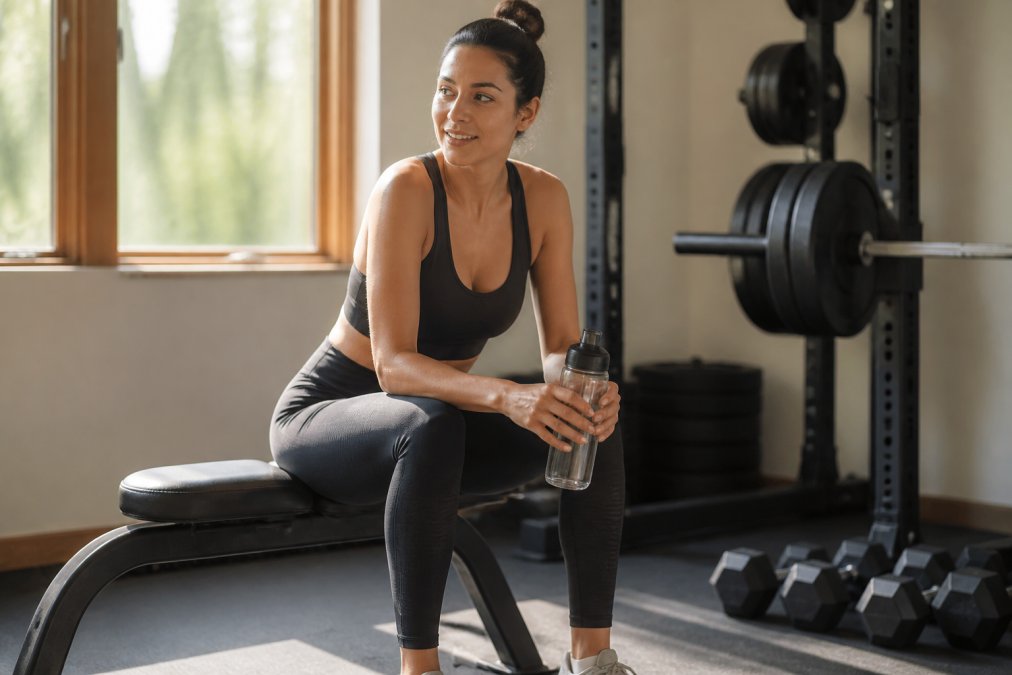
Recovery is where compression gear earns its reputation. The pressure supports venous return, the flow of blood back toward the heart, which helps clear metabolic byproducts after hard sets.
Blood Flow, Swelling, and Soreness
After a heavy session, tissue inflammation and fluid buildup cause that stiff, swollen feeling the next morning. Graduated compression encourages circulation and can reduce swelling. Many lifters wear compression tights or sleeves for an hour or two post-workout, or overnight after a particularly brutal leg day.
Sports Fitness Gloves for Yoga →
Does Compression Gear Prevent DOMS?
No. Compression gear does not prevent delayed onset muscle soreness, and any brand claiming otherwise is overselling. DOMS comes from mechanical damage and inflammation after unfamiliar or intense training, and no fabric stops that process.
Fabric, Fit, and Sizing: What Actually Matters
Fit decides whether compression works at all. Too loose and it does nothing; too tight and it restricts joint mobility and blood flow. The target is firm, even pressure with no pinching, no rolling, and full range of motion.
How Tight Should Compression Gear Be?
It should feel snug and supportive, never restrictive. You should be able to breathe deeply, squat to depth, and raise your arms overhead without the fabric digging in. If you can see skin blanching or feel numbness, it is too tight.
How to Measure for the Right Fit
Most brands publish a size chart based on bust, waist, and hip measurements. Measure yourself with a soft tape, keep the tape level, and do not size down hoping for more compression. Compression garments often run small, and the fix is to size up, not to squeeze in.
| Body Area | How to Measure | Fit Check |
|---|---|---|
| Chest and shoulders | Around the fullest part of the chest, under the arms | Fabric lies flat, no digging at the armpit |
| Waist | At the natural waist, above the navel | Band stays put when you bend forward |
| Hips | Around the fullest part of the hips | No riding up or rolling during a squat |
| Thigh | Around the fullest part of the thigh | Even pressure, no pinching at the seam |
Fabric Technology: What the Labels Mean
Not all compression is the same. Medical-grade compression garments are typically measured in mmHg and are designed for clinical use. Athletic compression is usually a polyester-elastane or nylon-elastane blend engineered for movement, sweat management, and shape retention. The two are not interchangeable.
When Compression Gear Falls Short
Compression is not a substitute for technique, programming, or sleep. It will not fix a rounded back on a deadlift, and it will not make up for skipped recovery days. It can also cause skin irritation if the fit is wrong, and it can feel too hot during high-volume training in warm conditions. Some lifters also find they rely on the gear for stability and feel less confident without it.
| Body Area | Recommended Piece | Key Spec to Check |
|---|---|---|
| Shoulders and upper back | Compression shirt | Flatlock seams, four-way stretch |
| Thighs and glutes | Compression tights or leggings | High-waist band, seamless knit |
| Knees and calves | Sleeves or 7/8 capris | Graduated pressure, no roll |
| Hands and grip | Training gloves | Reinforced palm, wrist support |
When Compression Gear Falls Short
Compression is not a substitute for technique, programming, or sleep. It will not fix a rounded back on a deadlift, and it will not make up for skipped recovery days.

Three honest limitations:
- No strength gains. Compression does not add power output. Any performance benefit comes from reduced fatigue and better feedback, not from the fabric itself.
- Diminishing returns. The tighter you go past a comfortable fit, the more you restrict joint mobility and circulation, which works against you.
- Individual response. Some lifters feel a clear difference; others feel nothing. There is no reliable way to predict which group you are in except by trying it.
Conclusion
The hard part of compression gear is not deciding whether to wear it. It is finding pieces that actually fit, hold their shape, and stay in place through a full session. Get the fit wrong and the whole idea falls apart.
Frequently Asked Questions
Does compression gear actually help with muscle recovery?
Compression gear for muscle recovery works by applying graduated pressure that supports venous return, the flow of blood back to the heart. This can help clear metabolic byproducts and reduce swelling after heavy sessions. Many lifters report less next-day soreness when they wear compression tights or sleeves during and after training. It is not a magic fix, but paired with sleep, protein, and hydration, it is a practical recovery tool.
Should you wear compression gear during heavy lifting sessions?
Yes, many lifters wear compression tops and tights during heavy sessions for muscle stabilization and joint support. Compression garments can help reduce muscle oscillation, which is the vibration of muscle tissue during dynamic lifts. This may improve proprioception, or your sense of body position under load. Just make sure the fit is snug but not restrictive, so you can still breathe and move through a full range of motion.
Does compression gear prevent DOMS?
Compression gear does not prevent delayed onset muscle soreness (DOMS) entirely, because DOMS comes from microscopic muscle damage during training. However, studies suggest compression can reduce the intensity and duration of soreness by improving blood flow and reducing tissue inflammation. Think of it as a tool that takes the edge off, not a shield. Combining compression with proper warm-ups and progressive overload gives the best results.
How tight should compression gear be for weightlifting?
Compression gear should feel snug and supportive, like a firm hug, but never painful or restrictive. You should be able to breathe deeply, squat, and press without the fabric digging in or rolling down. If you can pinch more than an inch of loose fabric, it is too big. If it leaves deep marks or numbs your skin, it is too tight. Always check the brand's size chart, as compression fit varies between styles.