Moisture-Wicking vs Cotton for Intense Workouts

Table of Contents
- Moisture-Wicking vs Cotton: Performance Comparison Table
- How Moisture-Wicking Fabric Actually Works
- Why Cotton Absorbs Moisture (But Doesn't Dry Fast)
- Best Gym Clothes for HIIT Without Chafing
- How to Prevent Chafing During Workouts
- Moisture-Wicking Fabric Care Tips for Longevity
- Environmental Impact and Skin Health Considerations
- Conclusion: Which Fabric Wins for Your Workouts
- Frequently Asked Questions
Last Updated: September 19, 2026
Moisture-Wicking vs Cotton: Performance Comparison Table
When you're pushing through a HIIT session or grinding through strength training, understanding moisture-wicking vs cotton for your fabric choice matters more than you might think. Moisture-wicking versus cotton for intense workouts isn't just about comfort, it's about whether you'll stay dry, avoid chafing, and actually want to train again tomorrow. The difference between the right fabric and the wrong one can mean the difference between a breakthrough workout and one cut short by discomfort.
Here's the quick verdict: moisture-wicking fabrics pull sweat away from your skin and dry fast, keeping you cool during intense exercise. Cotton absorbs sweat but holds onto it, leaving you damp and heavy. For high-intensity training, moisture-wicking wins almost every time.
| Aspect | Moisture-Wicking | Cotton |
|---|---|---|
| Sweat Management | Pulls moisture away, dries in 30-60 minutes | Absorbs moisture, takes 2-4 hours to dry |
| Breathability | Excellent airflow, heat dissipation | Moderate airflow, traps heat |
| Chafing Risk | Low (hydrophobic surface) | High (moisture retention causes friction) |
| Odor Control | Antimicrobial properties resist odor | Retains sweat, odor develops quickly |
| Comfort During Exercise | Stays light and dry | Gets heavy and clammy |
| Best For | HIIT, running, strength training | Casual wear, low-intensity activity |
| Durability | Degrades faster with intense use | |
| Environmental Impact | Biodegradable, pesticide-heavy farming |
How Moisture-Wicking Fabric Actually Works
Moisture-wicking technology relies on a simple principle: synthetic fibers like polyester and nylon are hydrophobic, meaning they repel water. When you sweat, these fabrics don't absorb the moisture into the fiber itself. Instead, they use capillary action to move sweat away from your skin toward the fabric's outer surface, where it evaporates into the air.
Think of it like a relay race. Sweat moves from your skin through the fabric's inner layers and spreads across the outer surface. The larger surface area allows faster evaporation. Polyester and nylon fibers are engineered with microscopic channels that speed up this process. Some advanced moisture-wicking fabrics include antimicrobial treatments that prevent bacteria from thriving in the damp environment.
During high-intensity interval training, your body temperature rises rapidly. Moisture-wicking fabrics help with thermoregulation by moving sweat away quickly, allowing your body's natural cooling system to work efficiently. You stay lighter, drier, and more comfortable, which means you can focus on your performance instead of being distracted by wet fabric clinging to your skin.
The science matters because it explains why moisture-wicking feels different. It's not just marketing. The hydrophobic nature of synthetic fibers creates a measurable difference in how quickly sweat leaves your body and how long it takes the fabric to dry.
Why Cotton Absorbs Moisture (But Doesn't Dry Fast)
Cotton is hydrophilic, the opposite of polyester. Cotton fibers actually absorb water into their structure. When you sweat, cotton soaks it up like a sponge. This absorption creates comfort in low-intensity situations, cotton feels soft and breathable for casual wear.
But during intense workouts, this absorption becomes a liability. Cotton can hold up to 27 times its own weight in water. As it absorbs your sweat, the fabric gets heavier, wetter, and stays that way. Evaporation happens slowly because the moisture is trapped inside the fiber rather than on the surface where air can reach it. A cotton shirt that's soaked in sweat might take 2-4 hours to fully dry, even if you hang it up in good airflow.
The longer cotton stays damp, the more problems develop. Bacteria thrive in that moist environment. The moisture retention also increases friction between the fabric and your skin, which is a primary cause of chafing during repetitive movements like running or rowing.
Cotton's absorbency also means it gets heavy as it absorbs sweat. That extra weight pulls on your shoulders and torso during high-rep movements, adding fatigue that has nothing to do with your actual workout. For HIIT or strength training, where every rep matters, that unnecessary weight is a real performance drag.
Cotton isn't bad, it's just designed for a different purpose. It excels in low-intensity, casual situations where breathability and softness matter more than quick-drying performance.
Best Gym Clothes for HIIT Without Chafing
High-intensity interval training creates the perfect conditions for chafing: repetitive movement, high sweat volume, and sustained friction. Your fabric choice directly impacts whether you'll finish your workout pain-free or spend the next three days dealing with irritated skin.
Moisture-wicking leggings and tops prevent chafing by keeping your skin dry. When fabric stays dry, friction decreases dramatically. Polyester and nylon also have smoother surfaces than cotton, which naturally reduces the micro-abrasions that lead to chafing. The SheRoar Moisture-Wicking Running Pants use full-length nylon construction that pulls sweat away immediately, keeping your thighs and hips dry through every burpee, sprint, and jump.

For upper body, a moisture-wicking top with a compressive fit prevents fabric from bunching or riding up during high-rep movements. The SheRoar High-Impact Long Sleeve Workout Top features nylon fabric that dries quickly and a tight fit that moves with your body without shifting, eliminating the friction points where chafing typically starts.

Seam placement matters too. Look for flat seams or seamless construction, especially at the inner thigh and underarm where sweat volume is highest. Seamless designs eliminate the ridge that creates friction during repetitive movements.
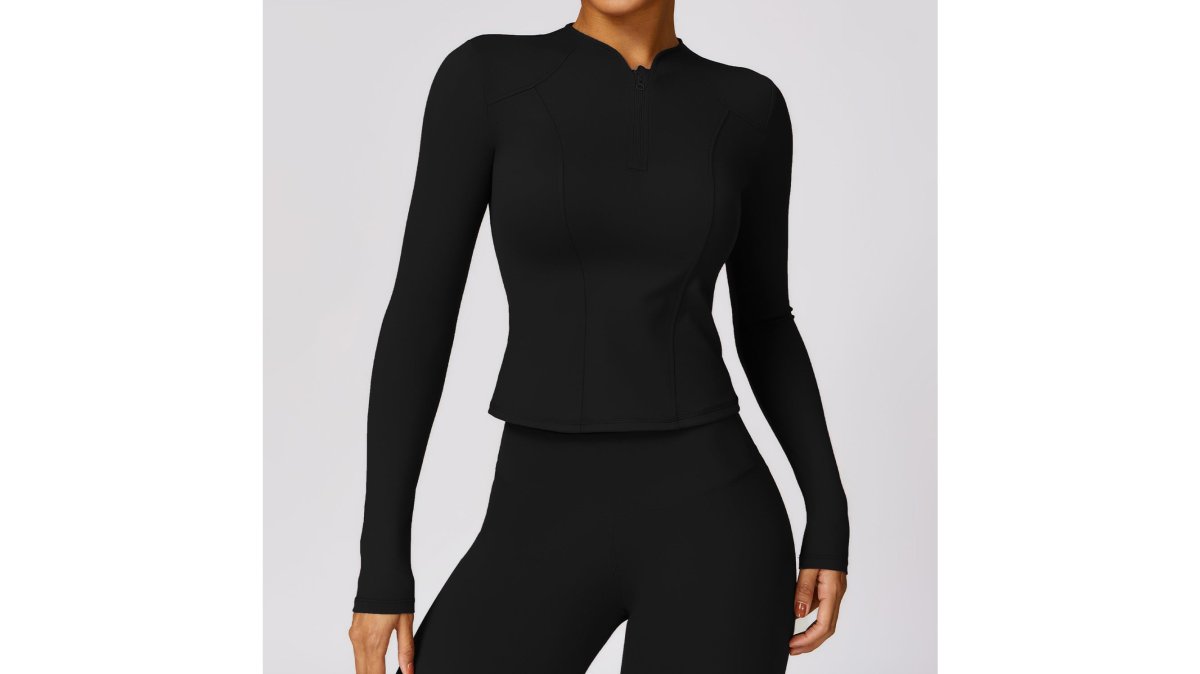
The Women's Hip-Contouring Moisture-Wicking Running Leggings combine moisture-wicking fabric with four-way stretch, so the material moves with your body instead of creating friction points. The hip-contouring fit means the fabric stays in place during dynamic movement, preventing the chafing that happens when leggings shift during jumping or sprinting.

How to Prevent Chafing During Workouts
Beyond fabric choice, several strategies reduce chafing risk during intense training. Start with proper fit. Leggings that are too loose shift during movement, creating friction. Leggings that are too tight restrict movement and create pressure points. True-to-size moisture-wicking leggings should feel snug but not restrictive, you should be able to move freely without the fabric sliding.
Moisture management is critical. Wear moisture-wicking base layers that pull sweat away from your skin. Avoid cotton entirely during intense training. If you're layering, use moisture-wicking materials for every layer so sweat moves through the system instead of getting trapped.
Apply an anti-chafe product to high-friction areas before training.
Moisture-Wicking Fabric Care Tips for Longevity
Moisture-wicking fabrics perform best when you care for them properly. The synthetic fibers that make these fabrics work can be damaged by heat and chemicals, which reduces their wicking ability over time.
Environmental Impact and Skin Health Considerations
Moisture-wicking fabrics aren't perfect. Synthetic fibers shed microplastics when washed, which eventually enter waterways and the food chain.
Conclusion: Which Fabric Wins for Your Workouts
For intense workouts, HIIT, running, strength training, hot yoga, moisture-wicking fabrics are objectively better. They dry faster, prevent chafing, resist odor, and keep you comfortable through high-intensity movement. Cotton simply can't compete in these conditions.
Frequently Asked Questions
Is moisture-wicking better than cotton for high-intensity training?
Yes, for intense workouts. Moisture-wicking fabrics pull sweat away from your skin and dry in minutes, keeping you cool and preventing the heavy, clammy feeling cotton creates. Cotton absorbs sweat but holds it against your body, which can slow heat dissipation and increase discomfort during HIIT, running, or strength training. Synthetic fibers like polyester and nylon excel at sweat transport, making them the better choice when performance matters.
Can cotton cause chafing during intense exercise?
Cotton can contribute to chafing, especially during high-intensity workouts. When cotton absorbs sweat, it becomes heavy and stays damp against your skin, creating friction points at the thighs, underarms, and waistband. This moisture retention increases irritation risk. Moisture-wicking fabrics reduce chafing by pulling sweat away quickly and staying dry, which minimizes skin-to-fabric friction. For workouts lasting over 30 minutes, moisture-wicking materials significantly reduce chafing risk.
How does moisture-wicking technology work?
Moisture-wicking fabrics use hydrophobic (water-repelling) synthetic fibers like polyester and nylon that move sweat away from your skin through capillary action. The fibers push moisture outward toward the fabric's surface, where it evaporates quickly. Unlike cotton, which is hydrophilic and absorbs moisture, synthetic fibers don't hold water. This rapid evaporation keeps your body cooler and drier, improving thermoregulation during intense exercise and reducing the weight and drag of damp fabric.
What should I look for when choosing moisture-wicking activewear?
Look for fabric weight, fiber content, and construction details. Nylon and polyester blends offer superior moisture transport compared to cotton blends. Check for seamless or flat-seam construction to prevent chafing during high-impact movements. Four-way or high-elasticity stretch fabrics allow unrestricted movement through intense training. For running and HIIT, prioritize quick-dry technology and lightweight construction. SheRoar's moisture-wicking running pants and high-impact workout tops are engineered specifically for these demands, with nylon construction that dries fast and compressive fits that prevent bunching.
How do I care for moisture-wicking fabrics to keep them working?
Wash moisture-wicking garments in cool water with mild detergent and avoid fabric softeners, which coat fibers and reduce wicking ability. Tumble dry on low heat or air dry to preserve elasticity and prevent damage to synthetic fibers. Don't bleach or use hot water, as heat can degrade the hydrophobic properties that make the fabric work. Turn items inside out before washing to protect the outer surface. Proper care maintains the fabric's ability to transport moisture and extends the life of your activewear significantly.
The difference between finishing a workout strong and cutting it short often comes down to what you're wearing. Choose fabrics that work with your body, not against it. Your next PR is waiting on the other side of that decision.