Everyday Shapewear for Postpartum Recovery: 2026 Guide

Table of Contents
- How Everyday Shapewear for Postpartum Recovery Supports Your Body
- When to Start Wearing Postpartum Shapewear
- How Long to Wear Postpartum Belly Wrap Each Day
- Choosing the Right Size Postpartum Shapewear
- Key Features to Look for in Everyday Postpartum Shapewear
- Top SheRoar Picks for Postpartum Recovery
- Frequently Asked Questions
Last Updated: September 28, 2026
How Everyday Shapewear for Postpartum Recovery Supports Your Body
Everyday shapewear for postpartum recovery is a supportive garment worn daily after childbirth to apply gentle compression to the abdomen, back, and pelvic area. At SheRoar by Black Lion, we design pieces that support this stage without sacrificing comfort. Here is what that support actually does for your body.
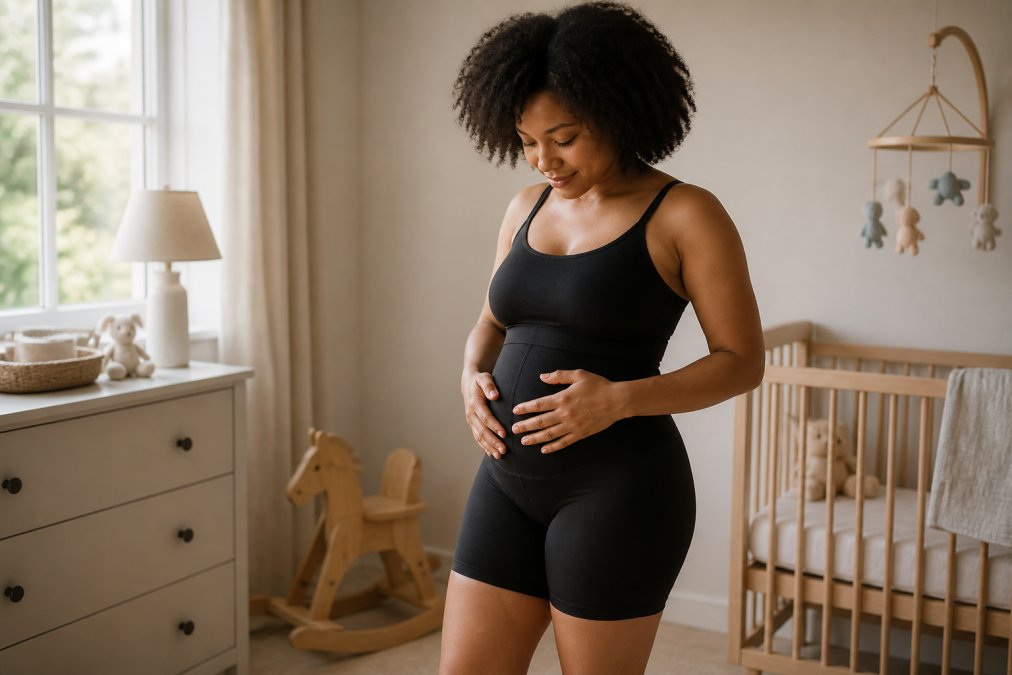
Postpartum recovery involves visible changes. The uterus contracts back toward its pre-pregnancy size over several weeks, and the abdominal wall that stretched for nine months needs time to knit back together. A supportive garment gives that process a quiet assist.
ACOG guidance on postpartum care notes that the weeks after birth are a distinct phase of care, not a quick bounce-back. Compression wear fits into that phase as a comfort tool, not a cure.
Abdominal Compression and Core Support
Abdominal compression works by holding the midsection steady so healing tissue is not pulled with every movement. That steadiness matters most in the first weeks, when the core feels unfamiliar and unsupported.
Firm but flexible compression can help with two common complaints: a heavy, loose feeling in the belly, and the sense that the midsection is doing too much work too soon. A high-waisted design that sits above the navel supports the lower abdomen while leaving the ribs free to expand.
What most guides miss is that compression is not about squeezing. A garment that digs in or rolls down defeats its own purpose because you stop wearing it. The right piece feels like a firm hug you forget about by mid-morning.
Pelvic Floor and Back Support
Pelvic floor support and back support are the two benefits people underestimate most. Carrying and feeding a newborn loads the lower back and shoulders, and a supportive garment that extends to the waist can take some of that strain off the spine.
Pelvic floor physical therapists often remind patients that compression around the hips and lower abdomen can reduce the sense of heaviness some women feel while the pelvic floor recovers. It will not replace pelvic floor exercises, but it can make daily movement feel less fragile.
When to Start Wearing Postpartum Shapewear
Most women can start wearing postpartum shapewear within the first week after a vaginal delivery, once bleeding is manageable and you feel steady on your feet. After a C-section, wait for your care team's clearance, which is usually after your incision has begun to close.

The honest answer is that timing depends on your delivery and how your body feels. There is no prize for starting on day one. Starting a few days late costs you nothing; starting too early against medical advice can irritate an incision.
NHS guidance on recovering after birth advises watching for signs of infection or unusual pain before returning to normal routines, and compression wear counts as a normal routine.
Vaginal Delivery vs. C-Section: Different Timelines
Vaginal delivery typically allows a soft start. Many women begin with light-compression pieces for a few hours a day and build up as comfort allows. If you had tearing or an episiotomy, a high-waisted brief that sits above the perineal area is usually more comfortable than a thong-style shaper in the first two weeks.
C-section recovery follows a different path. The incision needs to stay clean and unpressured, so a full-body shaper with a firm waistband is often the wrong first choice. A high-waisted seamless piece that sits above the scar line, or a wrap that fastens with adjustable closures, gives support without rubbing the wound. Many C-section moms find that a binder-style wrap with soft hook-and-loop closures is easier to adjust around a dressing than a pull-on garment.
A common pattern among pelvic floor physical therapists is to recommend waiting until any surgical dressing is removed and the incision is dry before introducing compression over the area.
For C-section recovery, look for a garment with a soft, wide front panel that sits above the scar and adjustable closures so you can loosen it after meals or when swelling changes.
Vaginal delivery: soft start within the first week. C-section: wait for clearance, then choose a high-waisted or wrap-style piece that avoids the incision line.
Women's Fajas Colombianas Postpartum →
How Long to Wear Postpartum Belly Wrap Each Day
A postpartum belly wrap is safe for several hours a day, but it is not meant to be worn around the clock. A common approach is two to six hours at a time, building gradually, and removing it for sleep, showers, and rest.
Signs You Should Take It Off
- Numbness, tingling, or a cold feeling in your legs
- Red marks or indentations that do not fade within an hour
- Shortness of breath or pressure that makes it hard to take a full breath
- Pain around an incision, or any new swelling
- Heartburn, bloating, or a general sense of being squeezed
If any of those appear, remove the garment and give yourself a break. Long-term wear safety comes down to this: compression should feel supportive, never restrictive, and never something you endure.
The 2-6 hour window is a starting point, not a rule. Build up slowly, and never sleep in a firm compression garment.
Choosing the Right Size Postpartum Shapewear
Choosing the right size postpartum shapewear starts with measuring your current body, not your pre-pregnancy numbers. Sizing runs specific to compression level, and most SheRoar pieces run one size smaller than standard US or EU sizing, so when in doubt, size up.
How to Measure Yourself at Home
Use a soft tape measure and measure over light clothing, standing relaxed.
- Waist: measure at the narrowest point, usually just above the navel
- Hips: measure at the fullest point of your seat
- Torso length: measure from the top of your shoulder to your hip bone if you are choosing a bodysuit
- Underbust: measure directly under the bust for full-body shapers
Fit Challenges Unique to Postpartum Bodies
Postpartum sizing is not just about numbers. Swelling, incision location, and breastfeeding logistics all affect which size and style will actually work for you.
Measure your current body, size up when between sizes, and choose a style that clears your incision and leaves your bust accessible if you are breastfeeding.
Key Features to Look for in Everyday Postpartum Shapewear
Breathable fabric and adjustable closures matter more than compression strength for daily wear. A garment you can wear for six comfortable hours beats a firmer one you peel off after forty minutes.
- Breathable fabric: lightweight nylon or a polyamide and elastane blend keeps skin dry
- Adjustable closures: hook-and-eye rows or hook-and-zipper waist closures let you loosen as the day goes on
- Seamless construction: flat seams sit invisibly under clothing and reduce chafing
- High-waisted cut: covers the lower abdomen and supports the back
| Feature | Why It Matters | Best For |
|---|---|---|
| Breathable nylon blend | Prevents heat rash and sweat build-up | All-day wear |
| Adjustable closures | Lets you loosen as swelling changes | First six weeks |
| Seamless finish | Invisible under fitted clothing | Work and events |
| High-waist panel | Supports abdomen and lower back | Posture and core support |
| Flexible zones | Firm front, soft sides | C-section recovery |
| No steel boning | Avoids pressure on incisions | Sensitive midsections |
Breathable Fabrics and Adjustable Closures
Fabric choice decides whether a supportive garment becomes part of your routine or a daily negotiation. Nylon and elastane blends move with you and dry quickly, which matters when you are up several times a night.
Women in the first six weeks after birth who want gentle midsection support they can loosen or remove as their body changes through the day.
Top SheRoar Picks for Postpartum Recovery
The best everyday postpartum shapewear is the piece that matches your delivery, your comfort level, and how you plan to wear it. Here are three SheRoar options built for this stage.
| Product | Price | Key Feature | Best For |
|---|---|---|---|
| Fajas Colombianas Full Body Shaper | $25.31 | Full bust-to-hip compression, adjustable straps | Occasions and full-body shaping |
| High-Waist Seamless Shaping Underwear | $29.95 | Seamless, breathable, invisible finish | Daily wear under anything |
| High Waist Shapewear Bodysuit | $39.58 | Sizes S-6XL, 90% polyester | Extended sizing and repeat wear |
Frequently Asked Questions
When is it safe to start wearing shapewear after giving birth?
For vaginal delivery, many women can start light-compression postpartum shapewear within a few days if they feel comfortable. After a C-section, wait until your incision has healed and your doctor gives clearance, usually around 4-6 weeks. Always check with your healthcare provider first, especially if you had complications. Start with short wear times and gentle compression to let your body adjust.
How long should you wear postpartum shapewear each day?
Most guidelines suggest wearing postpartum belly wrap for several hours daily, but this varies by individual. Start with 2-3 hours and gradually increase. Never sleep in shapewear unless your doctor approves. Take it off if you feel short of breath, numb, or uncomfortable. Your body needs breaks to heal, so listen to its signals and adjust wear time accordingly.
What features should I look for in everyday postpartum shapewear?
Prioritize breathable fabric, adjustable closures, and seamless construction. Look for high-waisted designs that provide tummy control and back support without digging in. Options like SheRoar's High Waist Shapewear Bodysuit offer sizes S-6XL and a butt-lift design. Avoid steel bones and rigid materials that restrict movement or breathing.
Does wearing shapewear help with postpartum recovery?
Yes, when used correctly. Postpartum shapewear provides abdominal compression that can support weakened core muscles, improve posture, and reduce swelling. However, it is not a substitute for pelvic floor exercises or medical care. Use it as a supportive tool alongside gentle movement and proper nutrition for best results.