And Leggings: The Complete Women's Guide 2026

Table of Contents
- What Makes High-Quality Leggings Worth It
- Best Workout Leggings for Women: What to Look For
- Compression Leggings Benefits: Performance and Recovery
- Moisture-Wicking Fabric Guide: Choosing the Right Material
- Activity-Specific Matching: And Leggings for Every Workout
- How to Style Leggings for Everyday Wear
- Size, Fit, and Body-Type Recommendations
- Fabric Care and Longevity: Making Your Leggings Last
Last Updated: August 23, 2026
Finding the right pair of leggings sounds simple until you're standing in your wardrobe at 6am, pulling on a pair that slides down the moment you start warming up. The answer comes down to fabric construction, waistband engineering, and matching the right style to your specific activity. Below, this guide breaks down everything you need to know about leggings: from compression benefits to fabric care, body-type fit, and how to wear them far beyond the gym.
What Makes High-Quality Leggings Worth It
High-quality leggings maintain their shape, opacity, and support across hundreds of wears and washes, whereas cheaper alternatives lose elasticity quickly. The difference becomes obvious the first time you attempt a squat in a pair that goes see-through under studio lighting.
Fabric Construction: Four-Way Stretch vs. Standard Knit
Four-way stretch fabric extends in all four directions simultaneously: horizontally, vertically, and diagonally. Standard knit fabrics typically stretch in two directions, which limits range of motion during dynamic movements like lunges or deep squats.
For activewear, four-way stretch is the baseline expectation. It produces a second-skin feel that moves with your body rather than against it. Fabrics that achieve this typically combine nylon or polyester with elastane, which provides the recovery snap that keeps leggings looking fitted rather than baggy after repeated use. Seamless or flatlock seaming reduces friction during high-repetition training.
Waistband Design and Why Your Leggings Keep Falling Down
The most common complaint about leggings is a waistband that rolls or slides. This is almost always a construction issue, not a sizing issue.
A stay-put waistband relies on three things: a wide band that distributes pressure evenly across the core, a high-rise cut that anchors above the hip bone, and fabric with enough recovery tension to grip without digging in. High-waisted leggings solve this more reliably than mid-rise styles for most body types, as the longer waistband panel creates more surface contact with the torso.
Best Workout Leggings for Women: What to Look For
The best workout leggings for women combine squat-proof opacity, a secure high-rise waistband, and moisture-wicking fabric that keeps you dry through the full session.
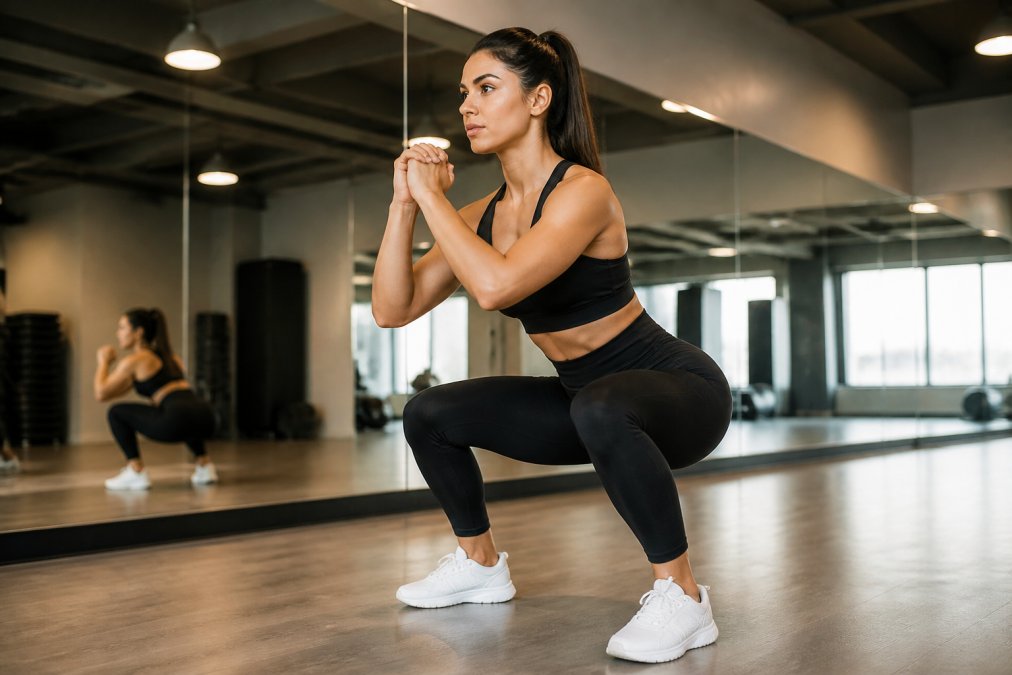
What separates training leggings from casual leggings is structural integrity under load. A pair that looks fine standing still but gaps, sags, or loses opacity during a deadlift is not a workout legging.
According to the American Council on Exercise's activewear guidance, fabric performance during exercise depends heavily on fibre composition and construction density, both of which determine how well a garment manages sweat and maintains shape.
High-Waisted vs. Mid-Rise: Which Fits Your Training Style
High-rise leggings sit at or above the natural waist and are the stronger choice for most training styles. The extended waistband provides core coverage during overhead movements, prevents exposure during forward bends, and creates a more supportive feel during heavy compound lifts.
Mid-rise styles sit at the hip and work well for low-intensity sessions or cycling. For strength training and HIIT, high-waisted leggings are the more practical choice.
Pockets, Gussets, and Gym-Ready Details That Actually Matter
A gusset is a triangular fabric panel sewn into the crotch seam. Its purpose is to reduce seam stress during wide-stance movements and improve durability. Any legging marketed as gym-ready should have one.
Pockets are a functional requirement for anyone who trains with music or tracks workouts. A phone pocket that can hold a standard-sized device without bouncing is essential. Additional details worth checking include 7/8 vs. ankle length, flatlock seams to reduce chafing, and compression panels at the thigh or calf.
Compression Leggings Benefits: Performance and Recovery
Compression leggings apply graduated pressure to the legs, which supports muscle tissue during exercise and aids circulation during recovery. During training, compression reduces muscle oscillation, the micro-vibration that occurs when muscles contract rapidly. Many women report less muscle fatigue during longer sessions, particularly during running or high-rep lower body work. During recovery, graduated compression supports venous return, helping the body clear metabolic waste more efficiently.
For athletic use, a mid-range compression level provides the most benefit without restricting movement.
Moisture-Wicking Fabric Guide: Choosing the Right Material
Moisture-wicking fabric pulls sweat away from the skin to the outer surface, where it evaporates. The result is a drier, cooler feel during exercise compared to cotton, which absorbs moisture and stays wet against the skin.
According to textile performance research published by the Textile Institute, synthetic fibres like polyester and nylon outperform natural fibres in moisture management for high-intensity athletic use because of their hydrophobic properties and faster evaporation rates.
| Fabric Type | Key Property | Best For |
|---|---|---|
| Polyester blend | Fast-drying, sweat-resistant | HIIT, running, cycling |
| Nylon blend | Softer hand feel, durable | Yoga, strength training, everyday wear |
| Nylon-elastane | Four-way stretch, second-skin feel | All training styles |
| Recycled polyester | Eco-conscious, performance-grade | General activewear |
Cotton is comfortable but not suitable for sweat-heavy sessions. Breathable fabric for training should be synthetic or a technical blend.
Activity-Specific Matching: Leggings for Every Workout
The fabric weight, compression level, and construction details that make a legging excellent for yoga make it mediocre for running and vice versa.
Yoga and Pilates: Flexibility Over Compression
Yoga and Pilates demand maximum range of motion, which means fabric that moves without restriction and seams that do not dig in during floor work. Lighter compression and a buttery fabric finish work better than performance-grade compression. High-waisted styles are preferred because they stay in place through forward folds and seated twists without riding down.
HIIT and Strength Training: Support and Squat-Proof Coverage
HIIT and strength training demand squat-proof opacity. The fabric must be dense enough to remain opaque under load and in bright lighting. Supportive compression panels at the thigh help during heavy squats and lunges. An ergonomic design with a gusseted crotch and high-rise waistband that does not compress the lower back during deadlifts makes a significant difference in comfort and performance.
Running and Cardio: Breathable Fabric and Anti-Slip Fit
Running requires the lightest, most breathable fabric in the legging category. Heavy compression fabric can feel suffocating during a 5km run. The ideal running legging is lightweight, moisture-wicking, and fitted without being restrictive.
Anti-slip features matter more here than in any other discipline. A waistband that shifts during a run is a genuine distraction. Look for a silicone grip strip on the inner waistband, a high-rise cut, or a drawstring option for additional security. Reflective detailing is a practical safety feature for outdoor running in low-light conditions.
How to Style Leggings for Everyday Wear
Leggings have moved well beyond the gym, and styling them for everyday wear is less about following rules and more about understanding proportion.
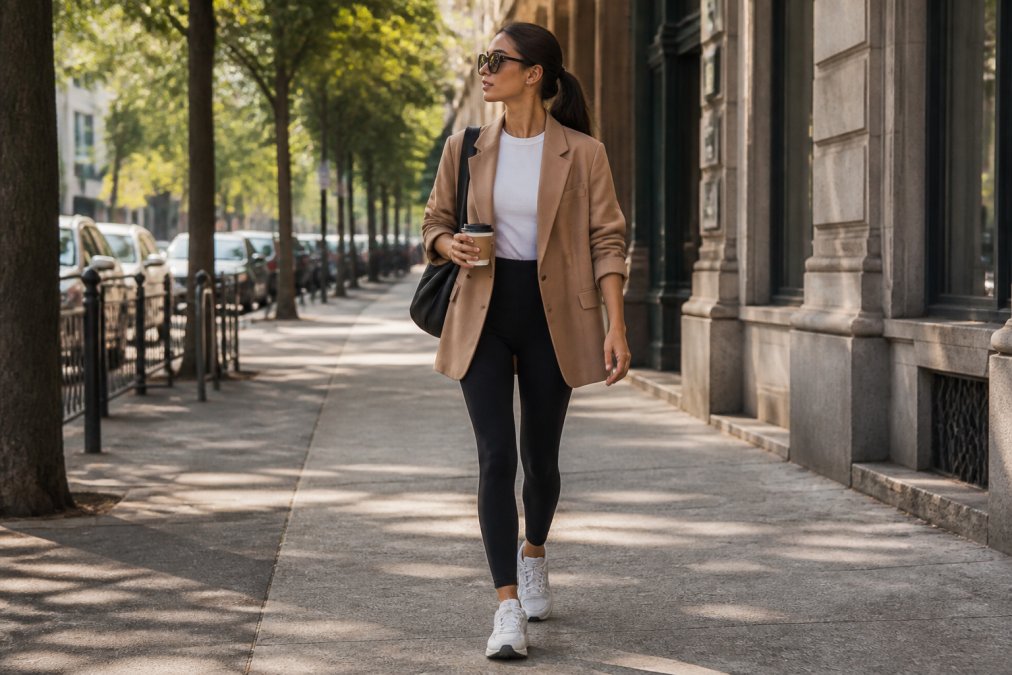
The most versatile approach is to balance the fitted silhouette of leggings with a longer or more structured top. An oversized blazer, a longline knit, or a structured jacket creates a polished look that works for errands, coffee meetings, or casual office environments. For a more dressed-down look, a cropped hoodie or fitted long-sleeve top with chunky trainers reads as intentional streetwear. Neutral colourways like black, charcoal, and slate travel between contexts most easily.
Footwear does most of the contextual work. Trainers keep the look athletic. Loafers or ankle boots shift leggings into smart-casual territory. White leather trainers are the most versatile middle ground.
SheRoar by Black Lion designs leggings specifically to transition between training and daily life, with clean lines and bold colourways that hold their own outside the gym. New styles are added weekly, so the range reflects current trends rather than last season's cuts.
Size, Fit, and Body-Type Recommendations
Getting the right size in leggings matters more than with most garments because fit directly affects both performance and appearance. Most legging sizing is based on waist and hip measurements rather than general sizing alone. Measuring both and cross-referencing with the brand's size chart is more reliable than defaulting to your usual size.
Body-type specific recommendations:
- Pear shape: High-waisted styles with a wide waistband create a balanced silhouette.
- Apple shape: Look for a firm, wide waistband that provides core support without digging in.
- Athletic/rectangular build: Colour-blocking, side panels, and textured fabrics add visual curves.
- Petite frames: 7/8 length leggings avoid bunching at the ankle.
- Tall frames: Full ankle-length leggings in a size-inclusive range that accounts for inseam length are essential.
Size-inclusive activewear means the waistband sits correctly, the gusset is positioned for comfort, and compression is distributed evenly. According to research on inclusive sizing in activewear from the Textile Research Journal, garments designed with extended size grading from the outset perform significantly better in fit testing across diverse body types.
Fabric Care and Longevity: Making Your Leggings Last
Performance fabrics require specific care to maintain their moisture-wicking properties, elasticity, and colour intensity over time.
The most important rules:
- Wash in cold water. Heat degrades elastane fibres, which are responsible for the stretch and recovery.
- Skip the fabric softener. Softener coats synthetic fibres and reduces their moisture-wicking capability.
- Turn leggings inside out. This protects the outer surface from abrasion and preserves colour and finish.
- Air dry rather than tumble dry. High heat breaks down elastane faster than almost anything else.
- Wash after every wear. Sweat left in fabric degrades fibres over time and causes odour to become embedded.
Pilling is a sign of fabric friction. A fine-knit mesh laundry bag reduces pilling during machine washing. Well-maintained performance leggings from a quality brand should hold their shape and compression for well over a year of regular use.
Finding leggings that perform across every context, from a heavy squat session to a weekend coffee run, requires understanding fabric, fit, and function rather than just picking a style you like the look of. SheRoar by Black Lion builds its activewear range around exactly this: premium construction, bold design, and a fit that supports real movement without compromising on style. With new styles added weekly and SheRoar Fitness resources to support your training, it is a collection designed for women who move with intention. See Catalog to find your next pair.
Frequently Asked Questions
Q: What features should I look for in high-performance workout leggings?
A: Focus on four-way stretch fabric, a high-rise stay-put waistband, and squat-proof opacity. A gusset at the crotch improves mobility and prevents seam stress during deep movements. Moisture-wicking, breathable fabric keeps you dry through intense sessions. Pockets are a practical bonus. For gym and leggings use specifically, compression panels that support the glutes and thighs without restricting circulation can make a difference in performance and comfort.
Q: What is the difference between compression and standard yoga leggings?
A: Compression leggings use tighter, denser fabric engineered to apply graduated pressure to muscles, which can reduce fatigue and support faster recovery. Standard yoga pants and leggings prioritize a second-skin feel with maximum flexibility and lighter compression, making them better suited to low-impact, range-of-motion activities. If you train across multiple disciplines, a mid-compression, four-way stretch legging often covers both needs without sacrificing comfort in either direction.
Q: How can I extend the lifespan of my activewear leggings?
A: Wash leggings inside out in cold water on a gentle cycle. Avoid fabric softener, which breaks down moisture-wicking fibres over time. Never tumble dry, heat degrades stretch knit and causes pilling. Air-dry flat or hanging. Rotate between at least two pairs so each set has recovery time between wears. Rinsing immediately after sweaty sessions prevents salt and bacteria from degrading the fabric, which is a common reason activewear loses its shape prematurely.
Q: Should a 50-year-old woman wear leggings?
A: Absolutely. Age has no bearing on whether leggings suit you. What matters is fit and styling. High-waisted, opaque leggings with a supportive waistband are flattering and functional at any age. Pairing them with a longer top or tunic creates a polished, everyday look. For fitness, compression leggings can provide joint support. The key is choosing a size-inclusive style with enough coverage and hold to feel confident through every movement.
This article was written using GrandRanker